

When a choking emergency happens, knowing how to act swiftly and effectively can mean the difference between life and death. While the core principles of choking training remain consistent, the approach varies depending on the victim’s age. Adults and children have different physical structures and vulnerabilities, which play a critical role in determining the appropriate response. To ensure you’re prepared for any situation, this guide breaks down the key differences in choking training techniques for adults and children, outlining the steps and considerations you need to know.
Understanding the Anatomy and Risk Factors
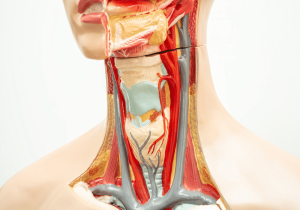 Before jumping into specific techniques, it’s vital to understand why choking responses differ between adults and children. Anatomy plays a significant role in these variations, and so do the primary causes of choking in each age group.
Adults typically choke due to large pieces of food or foreign objects obstructing their airway. Factors like hastily eating, underlying medical conditions, or impaired swallowing reflexes contribute to their risk. The adult airway is larger but also more rigid, which impacts the force and direction required during interventions like abdominal thrusts.
Children, on the other hand, are far more likely to choke on small items like toys, coins, or pieces of food. Their narrower airways and developing anatomy leave them highly vulnerable to complete blockages. Furthermore, because children lack the communication skills to alert someone that they’re choking, these emergencies often call for quick observation and immediate action.
Understanding these differences in anatomy and risk is the foundation for applying age-appropriate choking rescue techniques.
Choking Training for Adults
When an adult chokes, effective action can prevent further complications or unconsciousness. The primary goal is to dislodge the obstruction quickly to restore airflow. The first step is to determine whether the situation is a partial or complete blockage. An adult with a partial blockage may be coughing forcefully or making choking sounds, which indicates some air is still moving through their airway. Encourage them to continue coughing, as it may dislodge the object without intervention.
Complete blockages, however, mean the person cannot speak, cough, or breathe. They might clutch at their throat, a universal signal of choking. Immediate action is required to remove the obstruction. For conscious adults with a complete blockage, abdominal thrusts (commonly referred to as the Heimlich maneuver) are the gold standard response.
- Stand behind the individual and wrap your arms around their waist.
- Make a fist with one hand and place it just above their navel, below the ribcage.
- Grab your fist with your other hand and deliver quick, upward thrusts, aiming to create enough pressure to expel the object.
Continue these thrusts until the obstruction is cleared or the person becomes unconscious. For larger or pregnant adults, modifications like chest thrusts may be necessary. If the victim loses consciousness, guide them carefully to the ground and call 911 immediately. Begin CPR with chest compressions, as these may help move the obstruction while maintaining circulation.
Choking Training for Children
Choking in children presents unique challenges, as their smaller size and increased sensitivity require a gentler yet equally effective approach. Children may display similar symptoms of choking as adults—difficulty breathing, clutching their throat, or failing to speak or cry. However, they may panic quickly, making it essential to remain calm to avoid worsening the situation.
Encourage the child to cough if they show signs of a partial blockage. Choking in children often requires a combination of back blows and abdominal thrusts to effectively clear the airway.
- For Back Blows – Position yourself slightly to the side of the child and support their chest with one hand. Bend them forward so their head is lower than their chest. With the heel of your other hand, deliver five firm blows between the shoulder blades.
- For Abdominal Thrusts – If back blows don’t clear the airway, stand behind the child and deliver abdominal thrusts. Follow the same technique as for adults, but use less force to accommodate their smaller size.
Repeat the cycle of five back blows and five thrusts until the object is removed or the child becomes unconscious. The moment a choking child becomes unresponsive, call for emergency assistance and begin CPR. Kneel beside them to perform compressions and rescue breaths. Always keep the head tilted back slightly to maintain a clear airway. Be cautious of the force you use during compressions; a child’s chest is more fragile than an adult’s.
Special Considerations for Infants
 Infants under one year of age require distinct choking interventions due to their fragility. Standard abdominal thrusts are unsafe for infants, as their small bodies cannot handle the pressure.
For infants, choking training emphasizes back blows and chest thrusts. Place the baby face down along your forearm, supporting their head with your hand. Deliver five gentle but firm back blows, then turn the infant over and deliver five chest thrusts, placing two fingers just below the nipple line on their chest. Repeat until the object is expelled or the infant becomes unresponsive.
Key Differences in Training Materials
Choking training courses customize their content to address these age-specific methods. Adult choking scenarios often focus on the strength and positioning required for abdominal thrusts, while child-focused training emphasizes the balance of firmness and gentleness essential for smaller physiques.
Additionally, first aid kits and emergency preparedness materials should reflect these differences. For instance, pediatric-sized rescue masks or specialized airway tools may be needed when working with children or infants.
Physical practice during training sessions is crucial to building confidence. Training with manikins that simulate different body sizes—adults, kids, and infants—ensures that participants are fully prepared for various scenarios.
Why Understanding the Differences Matters
Being aware of the key differences in choking training for adults and children ensures you can respond effectively in a time of crisis. Misapplying adult techniques to a child, or vice versa, can lead to ineffective intervention or additional harm. Preparedness involves not only knowing the right techniques but also practicing them until they become second nature. Whether you’re a parent, caregiver, teacher, or workplace leader, investing in professional choking training courses can provide the skills and knowledge you need to save lives.
Choking emergencies can happen at any time and to anyone, but having the right training ensures you’re ready to act. While the basic principles of intervention remain constant, age-specific considerations are essential for effective rescue efforts. By learning the differences in choking training for adults, children, and infants, you can prepare yourself to tackle emergencies with confidence and precision. CPR Depot USA offers training resources and equipment tailored for all age groups, making it easier to ensure safety at home, school, or work. Contact us today to learn more about our lifesaving classes and tools.