

7 Smart First Aid Kit Tips for CPR Training Supplies Users
When something goes wrong, most people share the same fear: “What if I don’t know what to do?”
Calling 911 is the first step in a serious emergency. But in those minutes before help arrives, the way you use your first aid kit can make a real difference in comfort, safety, and in some cases, survival. A well-stocked kit and basic CPR training supplies give you tools you can put to work right away.
This guide walks you through simple, smart tips to use a first aid kit while you wait for emergency responders, so you feel less panic and more purpose.
Disclaimer: This article is for general information only and is not a substitute for certified first aid or medical training. Always follow the directions of the 911 dispatcher and local medical professionals.
Why Your First Aid Kit Matters Before 911 Arrives
Emergency medical services do incredible work, but they still need time to reach you. Traffic, distance, weather, and call volume can all slow response. In those gaps, small actions can have a big impact.
A basic first aid kit lets you:
- Control bleeding with gauze and bandages.
- Reduce infection risk by cleaning and covering wounds.
- Cool minor burns and protect the skin.
- Keep someone warmer and more comfortable while you watch for changes.
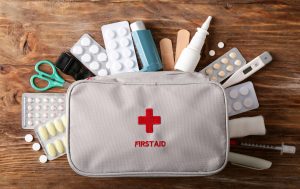
The American Red Cross recommends keeping items like sterile gauze pads, adhesive bandages, gloves, tape, antiseptic wipes, and a first aid guide in every kit.
Step One: Stay Safe, Call 911, Then Open Your Kit
Before you reach for any first aid supplies, take a breath and follow a simple order:
- Check the scene. Make sure there are no immediate dangers to you, like traffic, fire, live wires, or violent situations.
- Call 911 (or have someone else call). Put your phone on speaker so you can hear the dispatcher while you work.
- Care for the person within your skill level while waiting for EMS.
The “Check, Call, Care” sequence is taught by the American Red Cross and other emergency training organizations to help people respond in a clear, structured way.
Once you’ve called, the dispatcher can guide you step by step. Let them know what supplies you have available from your first aid kit.
First Aid Supplies You Should Know How to Use
Your kit could be simple or packed with advanced items. Either way, a few core tools do most of the work in everyday emergencies.
Gloves and Basic Protection
Before touching blood or body fluids, put on disposable medical gloves if they are available. This protects you and the person you are helping from potential infection. The American Heart Association and Red Cross both recommend gloves as part of a standard first aid kit.
If gloves are not available, try to improvise a barrier using clean plastic (like a sandwich bag) or cloth, without putting yourself at risk.
Gauze Pads and Bandages
Sterile gauze pads, roller bandages, and adhesive bandages are the backbone of first aid care. They help you:
- Apply direct pressure to bleeding.
- Cover open wounds to lower the risk of infection.
- Secure dressings so you can keep your hands free.
Antiseptic Wipes and Ointment
Antiseptic wipes and topical antibiotic ointment packets help you clean minor cuts and scrapes before you bandage them. This step reduces bacteria on the skin and supports normal healing.
For deep, heavily contaminated, or gaping wounds, your main goal is to control bleeding and get medical help, not to scrub aggressively.
Triangular and Roller Bandages
Triangular bandages can be folded into slings for injured arms or used as large bandages. Roller bandages help secure gauze and cover larger areas.
These supplies let you support injured joints and protect wounds without making the person move too much, which can reduce pain and further damage.
If you need to restock or upgrade your kit, CPR Depot USA offers a wide range of first aid supplies you can keep at home, at work, or in your vehicle.
7 Smart First Aid Kit Tips That Make a Difference
Here are seven practical ways to get the most from your kit between the moment you call 911 and the moment help walks through the door.
1. Put On Gloves and Protect Yourself
Your safety comes first. If you get sick or injured, you can’t help anyone.
- Put on gloves before you touch blood or body fluids.
- Avoid touching your face or open cuts on your own skin.
- Dispose of used gloves and dressings safely after EMS takes over.
If you do not have gloves, create as much distance as you can from blood and try to use barriers like clean cloth or plastic.
2. Control Serious Bleeding Fast
Uncontrolled bleeding is an emergency. Direct pressure is the first and most effective action in most cases.
Steps you can take:
- Place a sterile gauze pad or clean cloth directly over the wound.
- Press firmly with both hands.
- If blood soaks through, add more pads on top; do not remove the soaked layers.
- Use a roller bandage to maintain pressure if you need your hands free.
For severe limb bleeding that will not slow with pressure, trained responders may use a tourniquet. If you carry one and are trained in its use, the 911 dispatcher can advise you.
3. Help with Breathing and Position
If the person is struggling to breathe or seems weak and dizzy:
- Help them sit or lie in a position that feels easiest for breathing, often slightly upright.
- Loosen tight clothing around the neck and chest.
- If they are unresponsive but breathing, the Red Cross recommends placing them in a side-lying recovery position to keep the airway clear and reduce choking risk.
If the person stops breathing or has no pulse and you are trained in CPR, begin CPR right away and continue until EMS arrives or you are too exhausted to continue.
4. Cool Burns the Right Way
For many burns, first aid focuses on stopping the burning process and protecting the injured skin.
Evidence-based guidance for burns includes:
- For small thermal burns, run cool (not ice-cold) water over the area for several minutes.
- Remove jewelry or tight items near the burned area if you can do so gently.
- Do not apply ice, butter, or grease to burns.
- Gently cover the area with a clean, non-stick dressing or sterile gauze from your first aid kit.
Call 911 for burns that involve the face, hands, feet, groin, major joints, or a large portion of the body, or if the person is very young, older, or has other serious health issues.
5. Support Injuries Without Excessive Movement
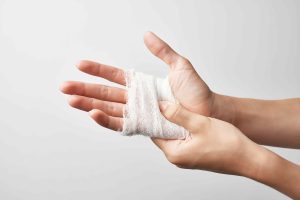
For suspected sprains, fractures, or joint injuries, your first aid kit can help you support the area:
- Use a triangular bandage as a sling for an injured arm.
- Use padding (folded cloth, towels, soft items) around the injury.
- Wrap gently with a roller bandage to keep the limb in a comfortable position.
Avoid forcing a bone or joint back into place. Your job is to support, not to “fix.” Let EMS and hospital staff handle realignment and imaging.
6. Calm, Cover, and Watch for Shock
Shock is a life-threatening condition where organs do not get enough blood flow. It can follow serious bleeding, burns, infections, allergic reactions, and major injuries.
Common signs include: pale or cool skin, rapid pulse, shallow breathing, confusion, or extreme weakness.
While waiting for 911:
- Lay the person flat on their back if possible, unless this worsens their breathing.
- Keep them warm with a blanket from your kit or nearby.
- Speak calmly and let them know help is coming.
Never give food or drink to someone who might need surgery or has reduced consciousness.
7. Use Your Instructions and Stay on the Line
Many first aid kits include a small instruction booklet or quick-reference card. The American Red Cross recommends including written first aid guidance in every kit.
Put it to work:
- Open the booklet and follow the section that matches what you see.
- Tell the 911 dispatcher what you are doing and ask for clarification if you’re unsure.
- Keep monitoring the person until EMS arrives, watching for changes in breathing, bleeding, or consciousness.
Practice with CPR Training Supplies Before an Emergency
You do not need to be a doctor to help someone. But practice makes you calmer and faster when every second feels heavy.
CPR training supplies such as manikins, AED trainers, and practice masks help you learn:
- How to recognize when CPR is needed.
- How hard and fast to push during chest compressions.
- How to coordinate CPR with another person.
Training with realistic gear builds muscle memory. When something goes wrong, your hands already “know” what to do, and your first aid kit becomes part of an action plan, not a mystery box.
When First Aid Is Not Enough: Clear Signs to Call 911
Sometimes people hesitate to call 911 because they are afraid of “overreacting.” In reality, emergency physicians and major medical organizations urge people to seek emergency care for serious symptoms such as:
- Chest pain, pressure, or trouble breathing.
- Sudden weakness, confusion, or trouble speaking.
- Heavy or uncontrolled bleeding.
- Major burns or burns to the face, hands, feet, or groin.
- Loss of consciousness or seizure.
When in doubt, call. The dispatcher can help you decide what to do next. You can always use your first aid supplies while service is on the way.
How CPR Depot USA Helps You Get Read
Being ready is not about fear. It is about peace of mind.
A well-equipped first aid kit and access to CPR training supplies help you feel less helpless and more prepared when someone you care about needs you.
CPR Depot USA offers:
- First aid supplies for homes, schools, and workplaces.
- Products that support CPR and first aid training programs.
- Options to build or expand your kits over time.
Browse First Aid Supplies to see what you might add to your current kit.
Ready to upgrade or outfit a training program? Reach out through Contact Us to talk with the CPR Depot USA team about your needs.
FAQs
Q1. What should be in a basic first aid kit?
A basic kit should include bandages in assorted sizes, sterile gauze pads, adhesive tape, antiseptic wipes, antibiotic ointment, disposable gloves, a cold pack, scissors, tweezers, and a first aid guide. The American Red Cross offers a detailed checklist you can use to compare your kit against recommended contents.
Q2. How often should I check my first aid supplies?
Check your kit at least twice a year. Replace any missing items, damaged packaging, or expired products such as ointments and medications. Many people tie this task to daylight saving time changes or another repeating reminder.
Q3. Can I use a first aid kit instead of calling 911?
First aid is not a substitute for emergency medical care. Use your kit to provide immediate help, but call 911 for life-threatening symptoms like trouble breathing, chest pain, heavy bleeding, major burns, or sudden confusion and weakness.
Q4. Where should I keep my first aid kit?
Store your kit in a visible, easy-to-reach spot that older children and adults can access quickly, such as a central cabinet, office wall, or vehicle glove box. Avoid hiding it under piles of items or in locked drawers no one remembers.
Q5. Do I need training to use a first aid kit?
You can still help with simple actions like applying pressure and covering wounds, even without formal training. That said, taking a certified first aid and CPR course builds confidence and skills, and lets you practice with CPR training supplies before a real emergency happens.