
6 Proven Tips to Maintain CPR Accessories
CPR accessories take on constant wear during training. Masks, valves, airways, and lung bags are handled by multiple students and must stand up to cleaning, storage, and fast-paced class setups. Without proper care, these items wear out fast or pose hygiene concerns.
The good news: with a simple maintenance routine, your accessories can last longer, look better, and deliver safer, more consistent training. These six proven tips help you clean and protect your equipment with confidence.
Why CPR Accessories Need a Maintenance Plan
CPR accessories directly affect the quality of every training session. Clean, well-maintained gear:
- Builds student confidence
- Reduces the risk of cross-contamination
- Extends the lifespan of your investment
- Keeps classes running smoothly
Masks, valves, and airway systems all require routine care. Public health guidance for noncritical reusable equipment emphasizes cleaning, disinfecting, drying, and inspecting items regularly to keep them safe and functional.

Common Problems Instructors Face with CPR Accessories
Many instructors struggle with:
- Not knowing which cleaning products are safe
- Worrying about damaging valves, filters, or flexible plastics
- Accessories cracking or wearing out faster than expected
- Lung bags tearing during compression practice
- Confusion about what’s reusable vs. disposable
- Making time for proper drying and organizing after class
If this sounds familiar, you are not alone — and these tips simplify the process.
Quick Prep: Know Which CPR Accessories You Own
Before you can maintain accessories correctly, you need a quick inventory.
List what you have:
- Pocket masks
- One-way valves and filters
- Lung bags
- Replacement manikin faces
- Alcohol wipes or cleaning spray
- Storage containers or bins
Then check the manufacturer’s instructions for each piece. Some items are single-use only, while others can be cleaned and disinfected repeatedly.
The CDC states that reusable noncritical equipment must be cleaned and disinfected between uses with products appropriate for the surface.
https://www.cdc.gov/infection-control/hcp/disinfection-sterilization/healthcare-equipment.html
1. Clean Before You Disinfect
Disinfection only works on clean surfaces. Dirt or residue can block disinfectants from working effectively.
To clean CPR accessories:
- Wash masks and valves with mild soap and warm water
- Use a soft cloth to avoid scratches
- Rinse thoroughly to remove soap residue
Always wear disposable gloves when handling used accessories.
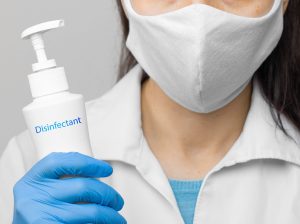
2. Use the Right Disinfectant the Right Way
Not all disinfectants are safe for CPR accessories. Some damage plastics or shorten their lifespan.
The CDC provides clear guidance on disinfecting reusable equipment in healthcare and training settings, noting that products must match the material and be used for the correct contact time.
https://www.cdc.gov/infection-control/hcp/disinfection-sterilization/healthcare-equipment.html
For CPR accessories, this usually means:
- 70% alcohol wipes for surfaces that tolerate alcohol
- Diluted bleach only if approved by the manufacturer
- Avoiding abrasive scrubbers that cause micro-damage
Keep the surface wet with disinfectant for the full listed time before drying.
3. Handle Masks, Valves, and Airways Gently
Most damage happens from rough handling, not during training.
Protect your accessories by:
- Removing valves straight out instead of twisting
- Holding masks by the edges so they keep their shape
- Avoiding hard snapping or forcing parts together
A gentle workflow reduces cracks, leaks, and deformed seals.
4. Dry Thoroughly and Store CPR Accessories Smart
Moisture weakens materials over time and can lead to mold.
After cleaning and disinfecting:
- Lay accessories on clean towels to air dry
- Avoid stacking damp items
- Use labeled bins to keep clean parts separate
- Store accessories in a dry, temperature-stable area
Good storage prevents warping, odors, and early deterioration.
5. Separate Disposable and Reusable Parts
This prevents contamination and accidental reuse.
Disposable items may include:
- Lung bags
- Some one-way valves
- Certain face shields
Reusable items include:
- Pocket masks
- Hard-plastic valves
- Manikin faces
Use two bins labeled “Reusable” and “Disposable Only.”
6. Create a Simple Maintenance Schedule
Your routine should include:
- After every class: clean, disinfect, dry, and store
- Weekly: inspect for cracks, warping, loose valves
- Monthly: restock lung bags, filters, and wipes
- Quarterly: review manufacturer instructions for updates
A simple checklist keeps your workflow efficient — especially for training centers with multiple instructors.
How These Tips Apply to Rescue Manikins
Rescue manikins need even more care due to physical stress, dragging, and outdoor use.
Apply the same principles:
- Remove visible dirt before disinfecting
- Use only approved cleaning solutions
- Allow full drying so internal materials stay intact
Rescue manikins last significantly longer when trainers follow basic cleaning and storage routines.
When to Repair, When to Replace
Replace CPR accessories when:
- Masks crack or turn cloudy
- Valves leak or stick
- Lung bags tear easily
- Parts will not stay locked in place
If you’re unsure, check the manufacturer or reach out to CPR Depot USA for guidance.
How CPR Depot USA Helps You Stay Ready
CPR Depot USA carries a wide range of CPR accessories and training supplies so you can replace worn parts and keep your equipment safe for every student.
Browse CPR accessories:
https://cpr-depot.com/product-category/cpr/
Visit CPR Depot USA for more training supplies and replacement gear:
https://cpr-depot.com/
A small investment in proper maintenance goes a long way in protecting your equipment, your budget, and your students.
FAQs
How often should CPR accessories be disinfected?
After every training session where they are used. The CDC recommends cleaning and disinfecting reusable equipment between users to reduce contamination risk.
Can I soak CPR masks in bleach?
Only if the manufacturer allows it. Bleach can damage plastics, so always check instructions first.
How long should disinfectant stay on accessories?
Follow the contact time on the disinfectant label. The item must stay visibly wet for the product to work.
What accessories are disposable?
Lung bags and many soft one-way valves are single-use. Masks and hard valves are usually reusable.
How do I extend the life of CPR accessories?
Clean, disinfect, dry completely, store properly, and inspect for wear regularly.