

As we move through 2026 the medical community has reached a consensus on the necessity of widespread overdose education. The American Heart Association (AHA) and the Red Cross have finalized the transition to 2025/2026 standards which place a heavy emphasis on treating opioid-associated emergencies. For instructors in the USA this shift brings a mix of urgency and logistical hurdles.
The statistics are sobering and the demand for civilian training has never been higher. Training centers are seeing a surge in requests from corporate clients and schools that need to meet new safety regulations. Integrating this into your current curriculum is not just a trend but a requirement for maintaining your status as a modern educator.
Identifying 2026 Compliance Stress
Many instructors feel the weight of compliance stress as they audit their current equipment. The 2026 standards require more than a passing mention of Naloxone. Students must now demonstrate the physical skills of recognizing an overdose and administering a reversal agent correctly. This means your old manikins might need upgrades or specific accessories to provide a realistic experience.
Regulatory bodies like OSHA are increasingly looking at how workplaces handle chemical and substance risks. If you provide training to industrial or office clients they are likely asking for documented proof that their staff can handle an opioid event. Meeting these standards requires a clear understanding of the latest science and a fleet of gear that supports performance-based testing.
Managing the Budget Burnout of New Gear
Expanding your course offerings often feels like a threat to your bottom line. Budget burnout is a real concern when you factor in the cost of training supplies that traditionally were not part of a CPR kit. However 2026 has brought smarter solutions to the market that allow you to teach these skills without breaking the bank.
Instead of using active medication or expensive single-use trainers you can opt for reusable atomizers. These devices mimic the feel of a Narcan nasal spray without the high cost of the pharmaceutical product. By investing in durable opioid emergency first aid supplies you reduce the per-student cost of your classes. This strategy allows you to offer the updated curriculum as a premium add-on or a standard feature while keeping your margins healthy.
Overcoming Liability Fears for Lay Rescuers
A common barrier in your classroom is the fear of legal repercussions. Students often ask if they can be sued for administering a reversal agent to someone who might not actually be overdosing. In 2026 the legal framework has become much clearer across North America.
Most regions have expanded Good Samaritan laws to specifically cover the administration of Naloxone. Educators must emphasize that these laws protect individuals acting in good faith during a perceived emergency. Teaching your students to recognize the “Opioid Triad” (pinpoint pupils, respiratory depression, and unconsciousness) gives them the confidence to act. When students feel legally secure they are more likely to engage with the training and use their skills in the real world.
The Priority of Ventilation in Opioid Response
One of the most significant 2026 updates is the return to “Breaths First” for suspected overdoses. While “Hands-Only” CPR remains popular for sudden cardiac arrest it is often insufficient for opioid victims. Because opioids suppress the respiratory system the victim’s primary problem is a lack of oxygen rather than a pump failure.
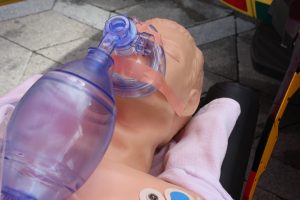
Instructors must focus on the use of the Bag Valve Mask (BVM) and pocket masks. This requires a refresh of your oxygen and supplies to ensure every student gets hands-on time with a resuscitator. Teaching the seal-and-squeeze technique is vital because if the victim does not receive oxygen the Naloxone may not have enough time to work before permanent brain damage occurs.
Selecting the Right Airway Trainers
Effective training depends on the realism of the manikin. If a student cannot find the nasal passage or if the chest does not rise during ventilation the lesson is lost. This is where modern airway training equipment becomes a game changer for your business.
High-fidelity manikins like the Prestan Series 2000 provide the haptic feedback necessary for 2026 standards. These manikins allow students to practice the tilt-chin lift and see a visible chest rise when breaths are delivered correctly. Having a manikin that responds to the actual volume of air delivered is the only way to verify that a student is ready to perform in a high-stress environment.
Effective Use of Nasal Atomizers
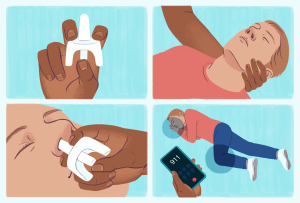
The administration of Naloxone is the “hero” moment of the training but it must be practiced with precision. Students need to understand how to insert the atomizer into the nostril and the force required to deploy the dose. External resources like this guide on how Narcan works can be shared with your students to reinforce the science behind the skill.
Practice devices should be cleaned and inspected after every class. In 2026 hygiene remains a top priority for training centers. Using high-quality trainers that can be sanitized easily ensures that you can move through large groups of students quickly. This efficiency is key to scaling your training business to meet the growing demand from local government and healthcare facilities.
Scaling Your Business with Opioid Response
Adding opioid response to your repertoire opens doors to new markets. In 2026 many industries are now mandated to have “Overdose First Aid” officers on site. This includes the construction sector, the hospitality industry, and public transport hubs. By positioning yourself as a specialist in these 2026 updates you can secure long-term contracts that provide steady revenue.
The goal is lead generation through expertise. When you show a client that you understand their compliance needs and can provide the necessary gear you become a partner rather than just a vendor. Use your blog and social media to showcase your updated equipment and your commitment to the 2026 AHA standards.
Integrating Opioid Modules Seamlessly
You do not need to rewrite your entire course to include these updates. Most instructors find that adding a 20-minute module at the end of a standard CPR/AED class is sufficient. This module should include a scenario-based practice where students must decide between standard CPR and an opioid response protocol.
This scenario-based learning is a hallmark of the 2026 educational philosophy. It moves students from memorizing steps to making critical decisions under pressure. Ensure your kits include gloves, face shields, and the specific reversal trainers so that the transition from “chest compressions” to “opioid rescue” is fluid and professional.
Future-Proofing Your Training Center
The 2026 standards are likely to remain in place for several years but the technology will continue to evolve. Staying ahead means keeping a pulse on the latest simulation tools and feedback systems. Your role as an instructor is to bridge the gap between complex medical guidelines and the everyday person who just wants to help.
By focusing on the human element and providing top-tier equipment you build a reputation for excellence. Whether you are helping a small business meet its safety requirements or training the next generation of first responders your impact is measured in lives saved. Keep your curriculum current your gear updated and your students’ fears at ease.
FAQs
What is the primary focus of 2026 opioid response training? The primary focus is recognizing respiratory depression and providing immediate ventilation (rescue breaths) alongside the administration of a reversal agent like Naloxone.
Do I need a special manikin to teach Naloxone administration? While basic manikins can work a manikin with realistic nasal passages and a chest that rises during ventilation provides the best training outcomes and meets 2026 performance-based standards.
Is Naloxone training mandatory for all 2026 CPR classes? Under the latest AHA and Red Cross guidelines it is highly recommended and in many professional BLS settings it has become a mandatory module for certification.
How do I manage the cost of these new training requirements? Using reusable nasal atomizers and durable barrier devices from reputable suppliers allows you to maintain high training standards without the recurring cost of real medication trainers.
Are instructors liable if a student uses Naloxone incorrectly? Instructors are responsible for teaching to current standards. Good Samaritan laws in 2026 provide broad protection for rescuers and educators who follow approved curricula in good faith.