
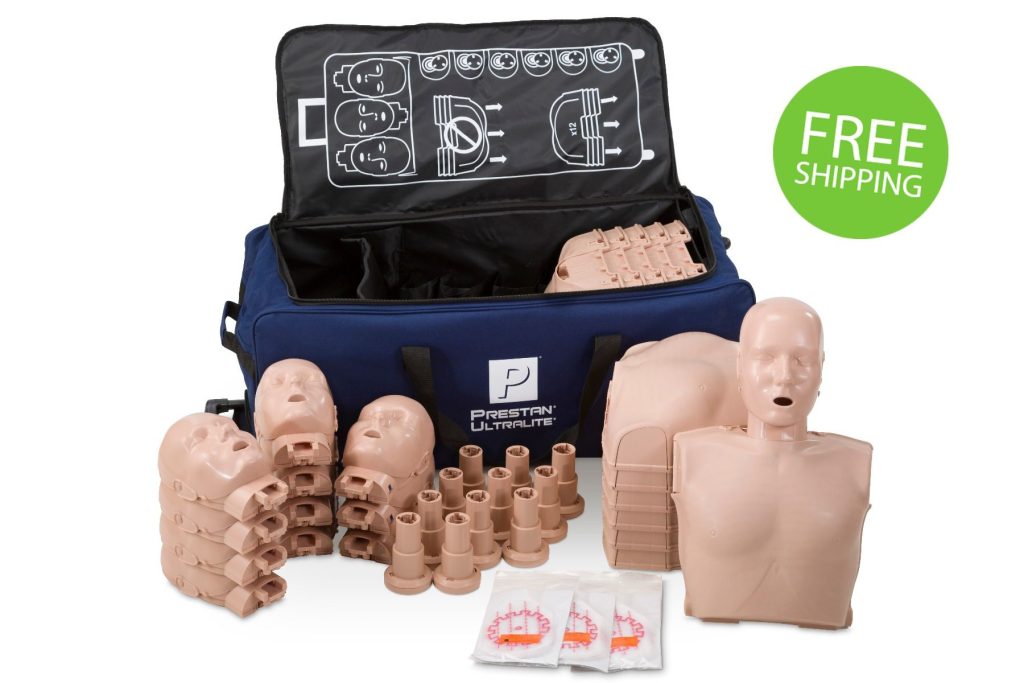
Independent instructors and health safety managers manage a demanding mobile routine. You load your vehicle early in the morning, drive to corporate boardrooms or community centres, and unload multiple student stations. This frequent logistical cycle puts immense stress on both your body and your training gear. Moving medical simulators back and forth requires specialized storage that goes far beyond standard factory packaging.
When you are responsible for an array of adult, child, and infant models, tracking the logistics becomes a major part of your workday. A single training session can require over forty kilograms of gear once you include automated external defibrillator (AED) trainers, airway management heads, and barrier consumables. Managing this heavy weight manually creates immediate operational risks for your business. Relying on basic shoulder straps can quickly cause workplace fatigue.
The physical challenge increases when you have to park far away from the training room. Walking across large corporate parks, university campuses, or multi-level hospital wings turns transport into an exhausting workout. Instructors often arrive at their venues tired and sore before they even begin their first lecture. Utilizing professional tools designed specifically for mobile logistics is the best way to keep your business running smoothly and efficiently.
Common Transit Failures Destroying Your Training Gear
Standard factory canvas bags usually provide basic dust protection for storage, but they are rarely built for the rigorous demands of regular travel. Instructors who travel frequently often experience equipment failures right in the middle of a busy training week.
Ripped Fabric and Blown Zippers
The most frequent equipment failure point is the main zipper track. Standard nylon zippers often split open when a bag is packed tightly with multiple adult torsos and foam blocks. This issue is often compounded by weak fabric stitching around stress zones like handles and shoulder straps. When a handle strap suddenly tears away in a wet parking lot, your expensive training assets can fall directly onto hard asphalt.
The Hidden Toll on Internal Electronics
Modern clinical training requires high-tech, precise equipment to meet strict compliance standards. Modern manikins contain sophisticated internal electronics, digital compression sensors, and delicate mechanical clickers. When these components are packed into soft bags without structural support, they are highly vulnerable to impact. Shifting gear in a turning vehicle trunk can easily bend airway blocks or crush chest skins.
Furthermore, unexpected rain or snow can quickly ruin a basic fabric bag. Moisture can easily soak through regular canvas, directly risking the delicate electronic circuit boards inside your feedback monitors. According to a real-world response report shared by the American Heart Association, reliable and properly calibrated emergency equipment saves lives during sudden cardiac arrest events. Ensuring your training assets remain perfectly calibrated in transport is a vital part of running your training business.
Key Features of a Premium CPR Manikin Carry Bag with Wheels
Selecting a professional CPR manikin carry bag with wheels requires looking closely at key structural features. You want to make sure your investment can handle heavy commercial use over many years.
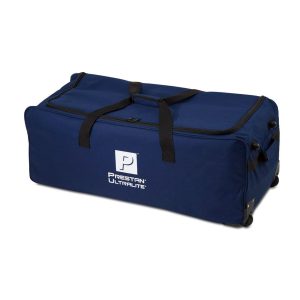
Reinforced Industrial Wheel Systems
The quality of the wheel system is crucial for smooth transport. Cheap plastic wheels can easily crack or seize up when rolling over gravel, cracked pavement, or doorway thresholds. Look for high-performance tracking wheels that feature sealed stainless steel ball bearings. These systems glide smoothly across thick carpets and rough concrete, absorbing vibrations that could otherwise loosen internal electronic connections.
Weatherproofing and External Structural Shells
A premium transport bag must protect your gear from unpredictable outdoor elements. Industrial-grade bags utilize thick, high-denier ballistic nylon or molded polymer plastic shells. These heavy-duty materials keep rain, sleet, and dirt from reaching your equipment. Reinforced solid bases prevent sagging, ensuring your rolling bag keeps its shape even when loaded to maximum capacity.
| Feature Type | Basic Factory Bag | Premium Wheeled Case |
| Primary Material | Thin Lightweight Canvas | High-Denier Ballistic Nylon / Hard Polymer |
| Base Support | None (Flexible Fabric) | Reinforced Solid Board or Molded Polyurethane |
| Wheel Type | None | Sealed Bearings with Heavy-Duty Rubber Outer |
| Impact Protection | Low | High-Density Internal Padding or Rigid Walls |
| Moisture Shield | Low (Water-Absorbent) | High (Water-Resistant Coating or Sealed Edges) |
Top Heavy-Duty Transport Cases for Clinical Simulators
When choosing your rolling luggage, consider whether a high-capacity soft-sided case or an indestructible hard-shell case best fits your regular travel routine.
The Ultimate Soft-Sided Volume Option
If you need to move large full-body nursing models or multiple adult torsos together, a spacious, high-capacity soft bag offers great layout flexibility. The Large Soft Carry Case for Full Body Simulators or Torso – 40 in. x 17 in. x 16 in. – Black is an excellent choice for full-body models. This heavy-duty case is specifically built to accommodate advanced full-size medical simulators like the GERi, KERi, CPARLENE, and CRiSis models.
This spacious design allows you to pack advanced models along with extra accessories like replacement lung bags, AED training pads, and sanitizing wipes. The heavy-duty fabric resists abrasions, and the reinforced structural handles allow for safe lifting when loading gear into your vehicle.
Maximum Armor: The Hard-Sided Torso Case
For valuable advanced airway management models or advanced diagnostic equipment, a hard-sided case provides unmatched security. The TORSO CASE – HARD is a premium, rugged option measuring 31 inches by 17 inches by 12 inches. This protective vault is designed for advanced training systems, including “Airway Larry” heads, CRiSis Torsos, and CPARLENE models.
The rigid outer shell creates an indestructible protective boundary around your high-end assets. This prevents heavy items from crushing your gear if something shifts in your trunk during travel. The molded foam lining cushions your equipment from sudden drops, while the secure latches prevent accidental openings on the road.

How Heavy-Duty Rolling Cases Protect Your Instructor Business
Upgrading your transport equipment is a smart investment that pays long-term dividends for your physical health and your business growth.
Saving Your Lower Back from Chronic Fatigue
Musculoskeletal injuries from lifting heavy gear can take an instructor off the schedule for weeks. Using a professional rolling bag lets the ground bear the weight, protecting your spine and shoulders. This simple adjustment prevents fatigue, ensuring you stay energized and sharp for your students.
Creating an Elite Corporate First Impression
The appearance of your equipment sets the tone before your presentation even begins. Arriving with clean, well-organized rolling cases shows corporate clients that you run a premium, professional business. This strong initial impression builds immediate trust, helping you secure repeat bookings and premium rates year after year.
Frequently Asked Questions
Can I pack different manikin brands into a single large rolling soft case? Yes. High-capacity soft cases are highly flexible, allowing you to combine different brands as long as you stay within the bag’s dimensions and weight capacity. Use soft foam blocks or clean towels between models to prevent plastic parts from scuffing each other during transit.
How do I clean and maintain the wheels on my rolling instructor bag? Clean the wheel tracks regularly by wiping away dirt, mud, and salt with a damp cloth. Check the wheel axles for tangled hair or carpet fibres, and apply a small drop of silicone lubricant spray to the bearings once a year to keep them rolling smoothly.
Are hard-sided cases completely waterproof during heavy outdoor rain? Premium hard-sided cases are highly water-resistant and easily protect against heavy rain and snow during regular loading. However, they are not designed to be submerged. Always dry the outside of the case thoroughly before opening it to keep moisture away from internal electronics.
What is the best way to secure rolling cases inside a transport vehicle? Place your heavy cases flat on the floor of your trunk or cargo area against the back seat. Use adjustable cargo straps or a non-slip floor mat to stop the cases from sliding around during sudden stops or sharp turns on the road.